
The 5 Decisions You Need to Make Before Meeting with a Contractor
Hi friends! If you are planning a remodel in Denver, especially in an older home with quirks you cannot ignore, there are a few decisions worth making before you ever sit down with a contractor.
Most homeowners assume they should meet with a contractor first when planning a remodel.
It makes sense - you know you want to update your kitchen, redo your primary bathroom, or open up your living space, and a contractor feels like the logical starting point.
But in many cases, the earliest conversations you have about layout, lighting, cabinetry, and materials will end up shaping the entire project. And if those decisions are made too quickly (or without a clear plan), it can lead to change orders, added costs, and compromises that are difficult to undo once construction begins.
That is even more true in Denver homes where existing plumbing locations, structural walls, ceiling heights, or older construction details can create real limitations from the start.
Before you meet with a contractor - or begin planning conversations alongside one - here are five key decisions that can help your remodel move forward more smoothly and prevent costly revisions later on.
1. LAYOUT + FUNCTIONAL PRIORITIES
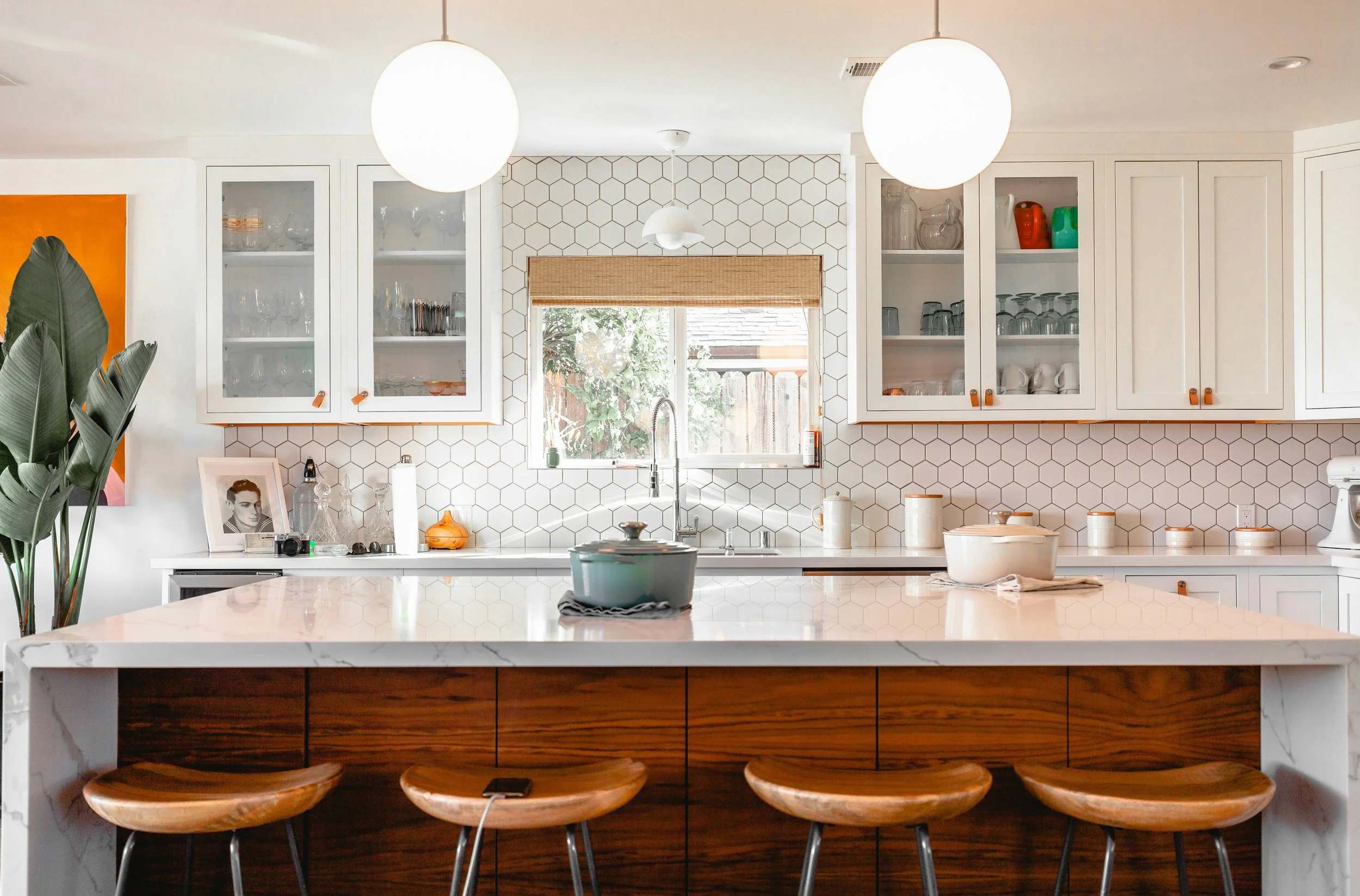
A remodel is often driven by aesthetic goals, but the layout decisions should be rooted in how you actually use your home day-to-day.
Here are some things to clarify before meeting with a contractor:
How many people typically use this space at one time?
Do you like to entertain guests?
Are there pets or children moving regularly through the space or adjacent spaces?
In mid-century homes especially, kitchens and living spaces were often designed with more separation and smaller footprints than what many homeowners expect today. Clarifying your functional priorities early on can help determine whether walls should be removed, reworked, or left in place — before structural conversations begin.
2. LIGHTING PLAN
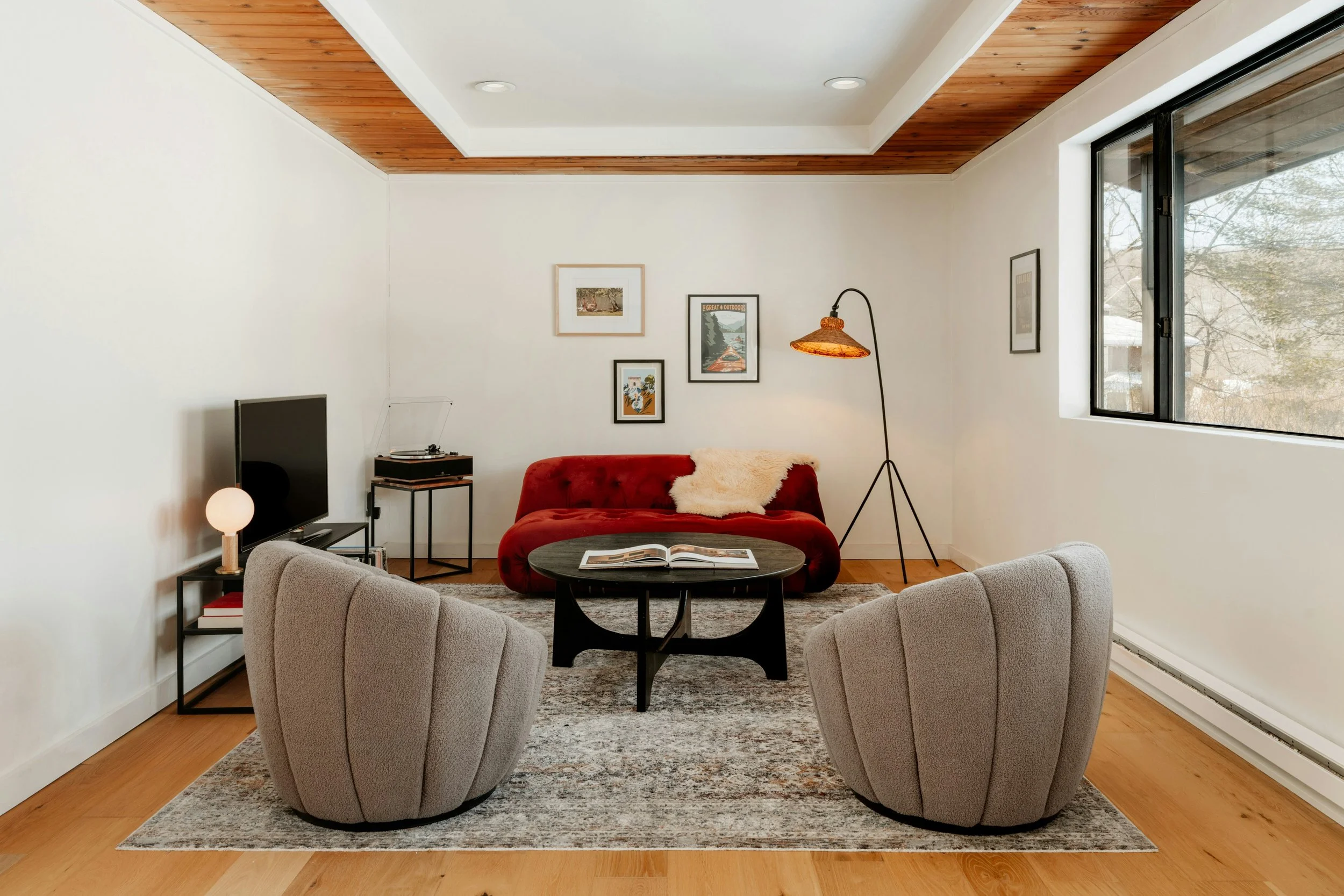
One of the first questions a contractor may ask during planning is: “Where would you like your lights placed?”
If there is not a clear or decisive answer, this often results in lighting being treated as a finishing detail rather than a construction-phase decision.
In reality, lighting impacts:
Electrical location
Cabinetry alignment
Ceiling planning
Appliance placement
Even switch locations throughout the home
A layered lighting plan that considers task, ambient, and accent lighting is best developed before demolition begins, when electrical changes can still be made efficiently.
3. CABINETRY DIRECTION
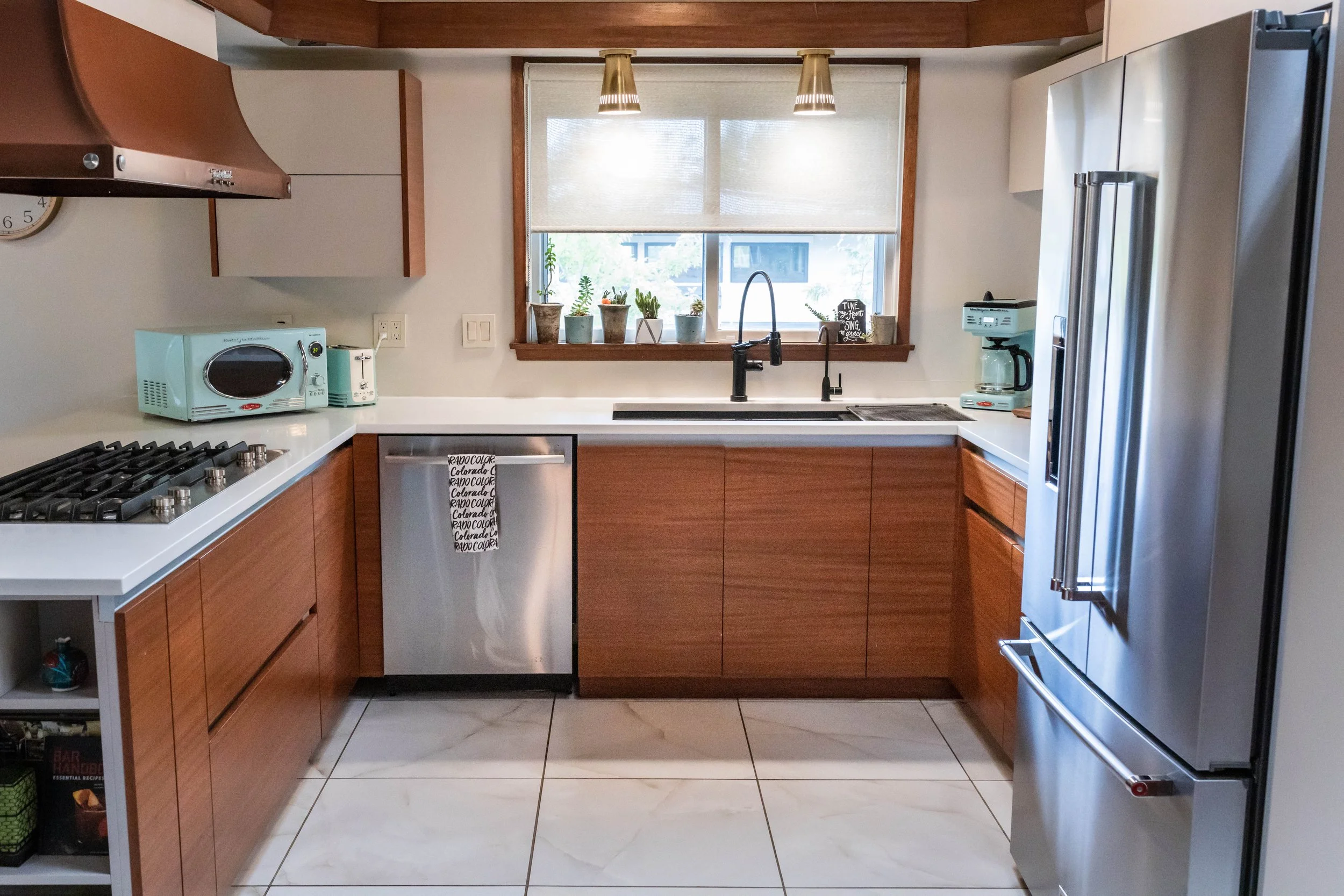
Cabinetry decisions go far beyond visual style.
Even at an early stage in the project, it is helpful to determine:
Custom vs. semi-custom cabinetry
Full-height upper cabinets
Appliance panels or exposed appliances
Integrated or built-in ventilation
These decisions can affect:
Framing requirements
Outlet placement
Appliance sizing
Ceiling trim
Plumbing coordination
In older homes, cabinetry direction may also impact how new finishes interact with existing architectural elements like windows, soffits, or original millwork.
4. PLUMBING LOCATIONS
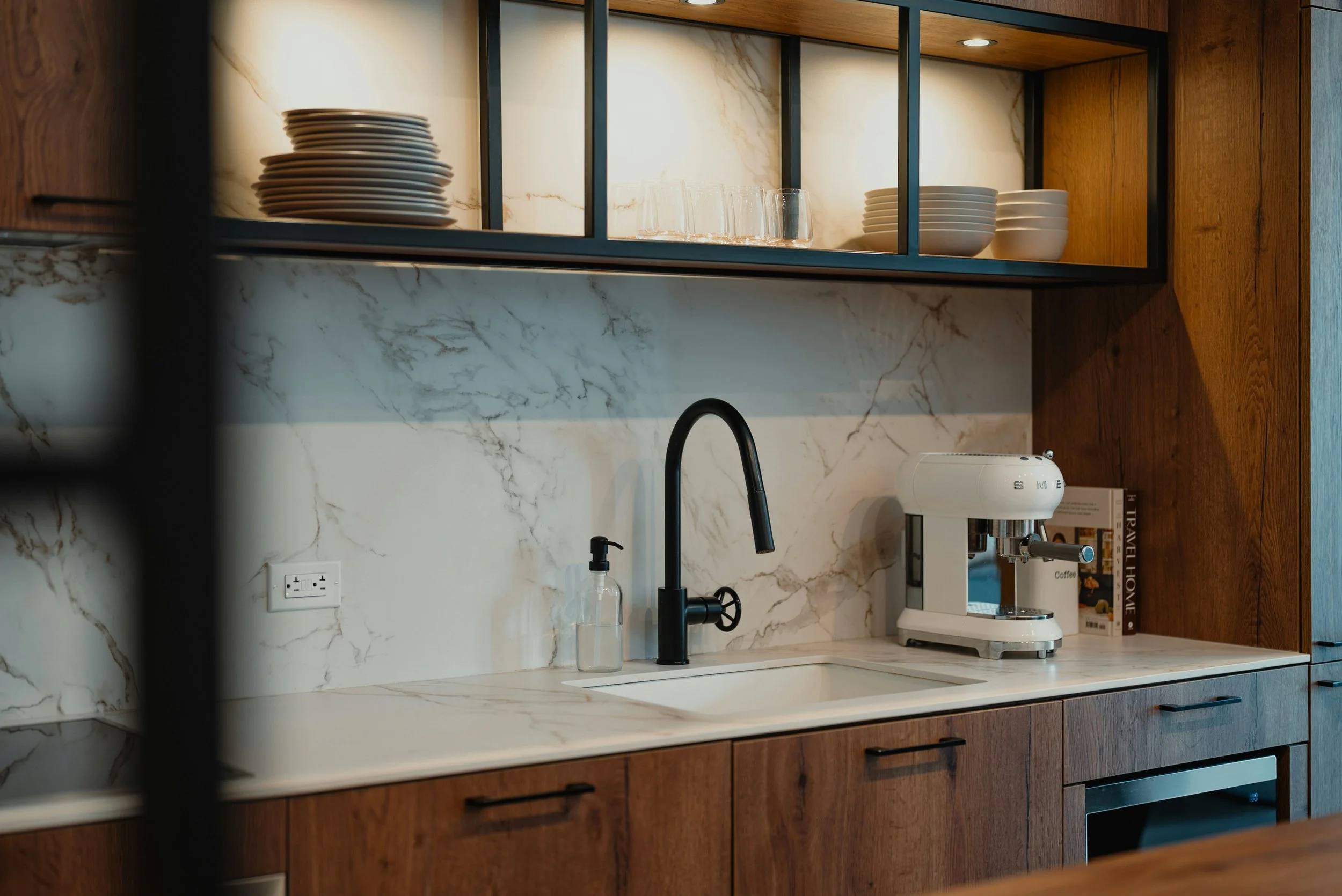
Relocating plumbing fixtures is often possible — but doing so after demolition begins can introduce additional cost and construction complexity.
Moving sinks, ranges, refrigerators with water lines, or laundry appliances may require slab cutting, joist drilling, new venting, or additional permitting.
In homes built on slab foundations, which are common throughout many Denver neighborhoods, these changes can quickly escalate a project budget if they’re not anticipated early in the planning process.
5. FLOORING CONTINUITY
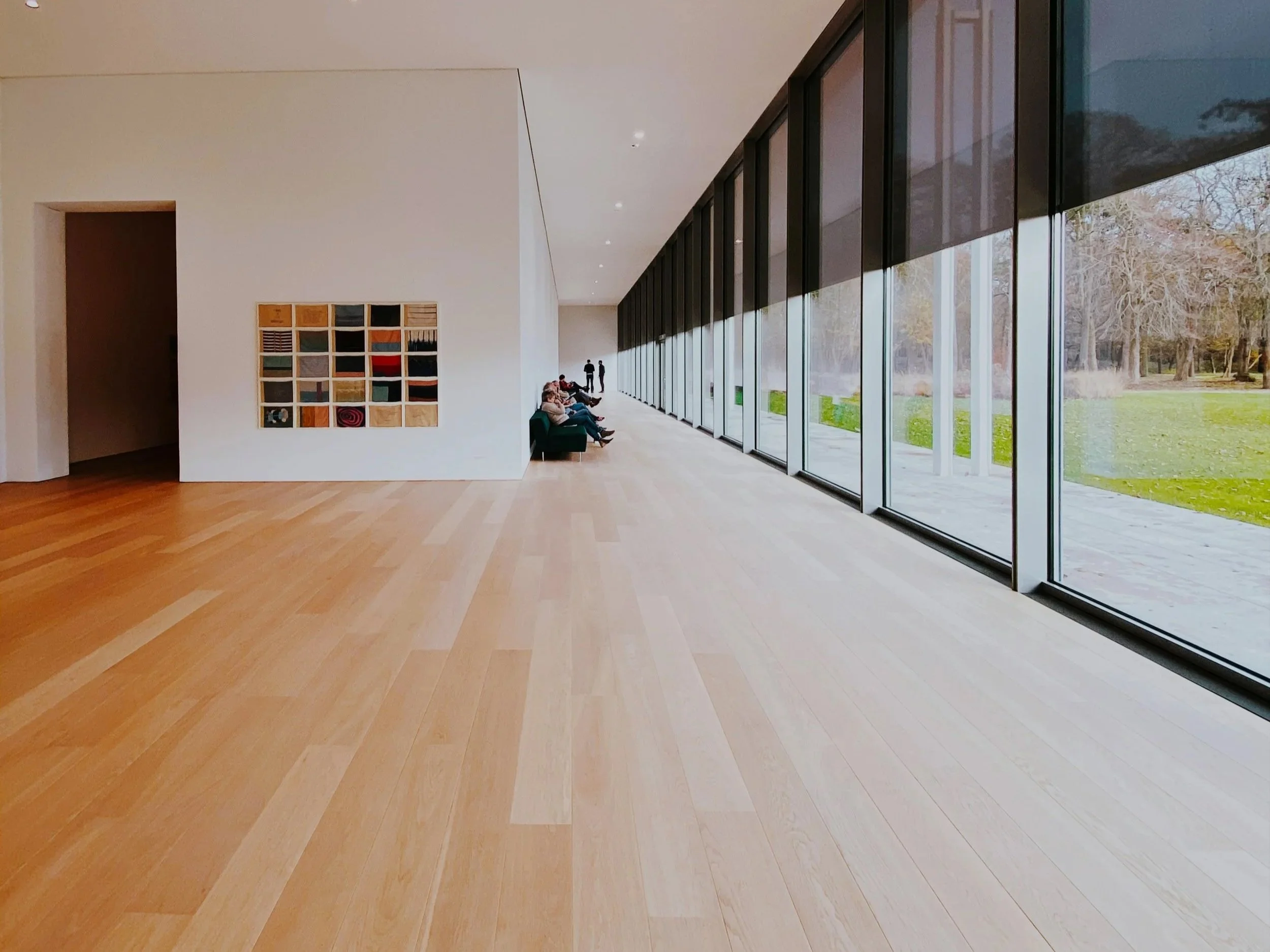
Flooring is sometimes selected toward the end of a remodel, but it often benefits from being considered much earlier.
Choosing materials before cabinetry and trim are finalized can help:
Avoid awkward transitions
Ensure consistent floor heights
Reduce thresholds between rooms
And maintain visual continuity throughout shared living spaces
This can be particularly valuable in older homes where preserving original character or achieving a cohesive blend of old and new materials is part of the overall design goal.
IN CONCLUSION
Meeting with a contractor is an important step in the remodeling process — but having clarity around layout, lighting, cabinetry, plumbing, and flooring before that meeting can help ensure your project begins with a strong foundation.
Taking time to consider these decisions early can support more accurate bids, fewer revisions during construction, and a more cohesive end result.
In many of our projects, we partner with trusted contractors early in the planning phase so that conversations around layout, electrical, and construction feasibility can happen collaboratively. This allows homeowners to move forward with greater clarity, knowing that both design intent and construction realities are being considered from the start.
If you're planning a kitchen or primary suite renovation in an older home, we offer planning consultations — often in collaboration with trusted contractors — to help homeowners finalize key layout, lighting, and cabinetry decisions before meeting with a contractor.
I hope this guide provides a helpful starting point as you begin planning your next renovation.
